Jack Henry to Snowflake: Modernizing Core Banking Data for Reporting, AML and Analytics





Trusted by 30+ banks modernizing their data










Jack Henry core systems iDENTIFY works with
iDENTIFY integrates with leading Jack Henry core platforms, supporting the data needs of modern banks and credit unions.
SilverLake
CIF 20/20
Core Director
Symitar







What does it mean to move Jack Henry data to Snowflake?
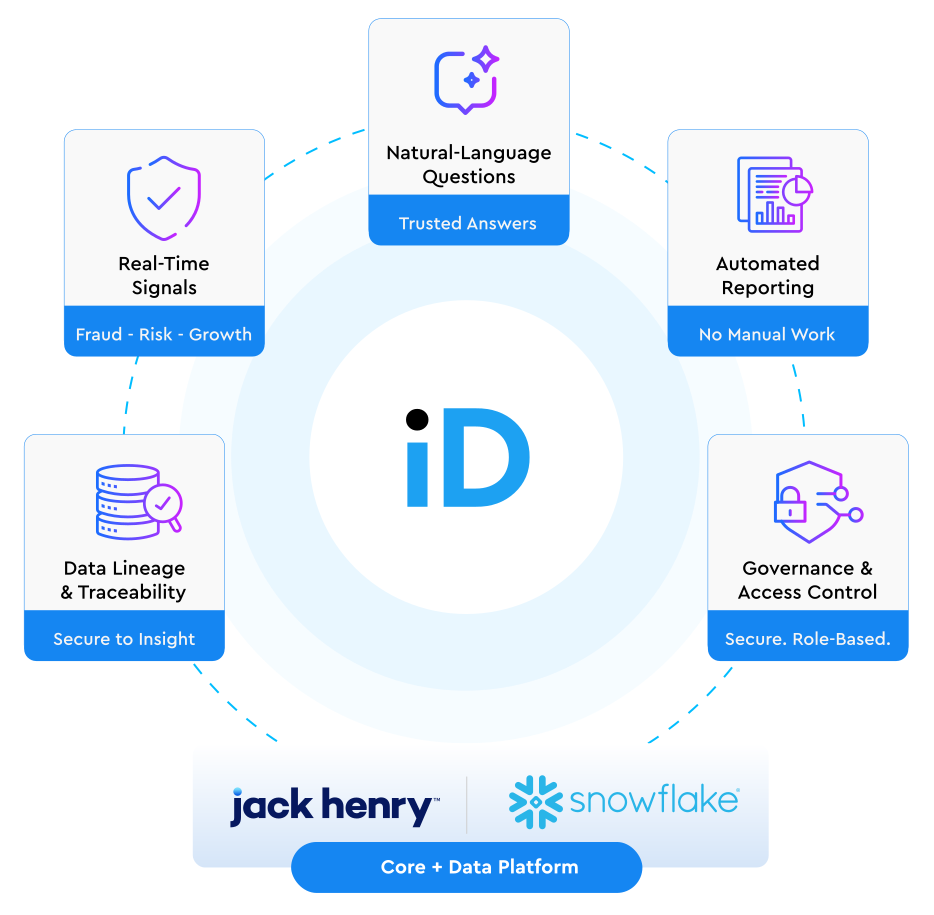
Moving Jack Henry data to Snowflake means extracting core banking and digital platform data (including Banno Data Hub), centralizing it in a cloud data platform, and enabling governed analytics, reporting, and data sharing across the bank from a single source of truth.
Modern banks use this approach to enable real-time insights, scalable analytics, and consistent regulatory reporting.
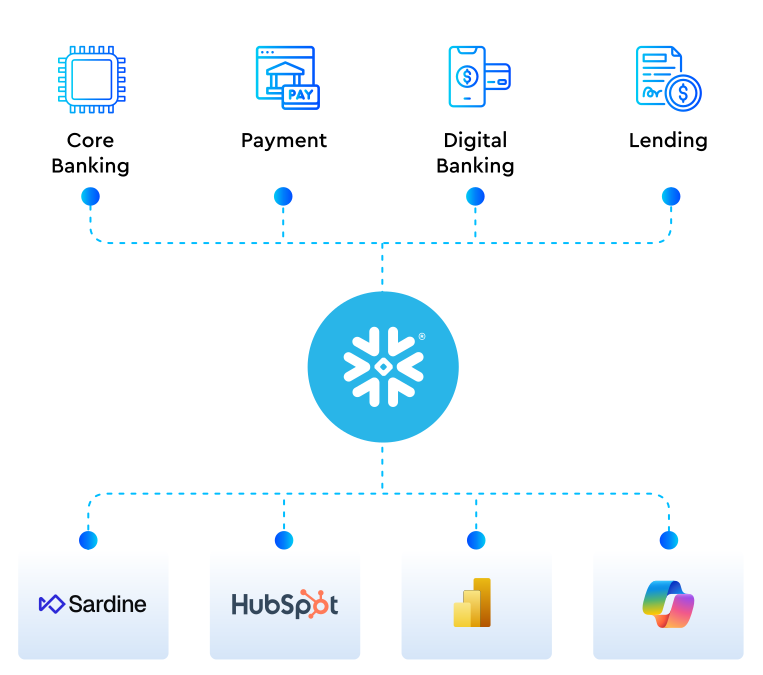
iDENTIFY at a Glance
processors mapped
major AML/BSA systems integrated
transactions cleaned daily
active client banks across the U.S.
Why Jack Henry data creates reporting and compliance challenges
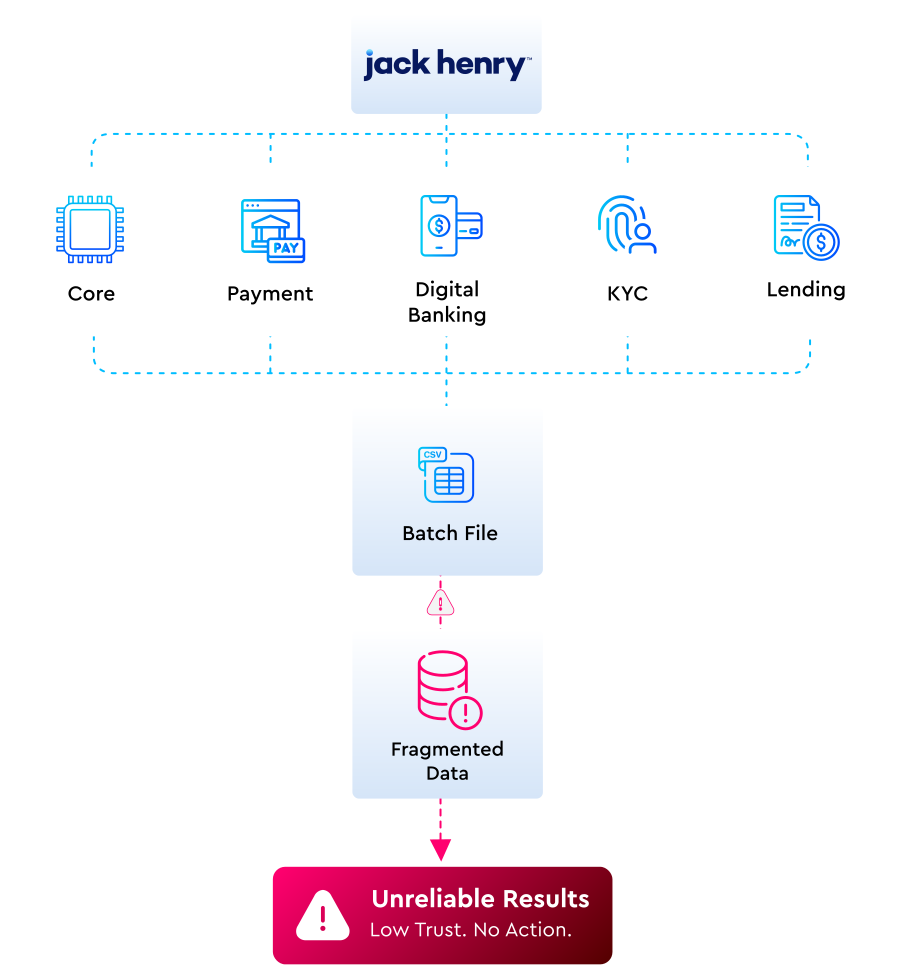
Jack Henry powers many community banks and credit unions, often alongside digital platforms like Banno. While these systems provide critical operational data, they rely heavily on batch exports, data hubs, and downstream integrations.
As reporting requirements and fintech partnerships grow, these architectures create gaps in consistency, governance, and scalability.
- Batch-based data delays limit real-time visibility
- Disconnected systems create inconsistent reporting
- Manual reconciliation between core, digital, and fintech data
- Limited visibility into data quality and lineage
- Difficulty maintaining audit-ready data for regulators
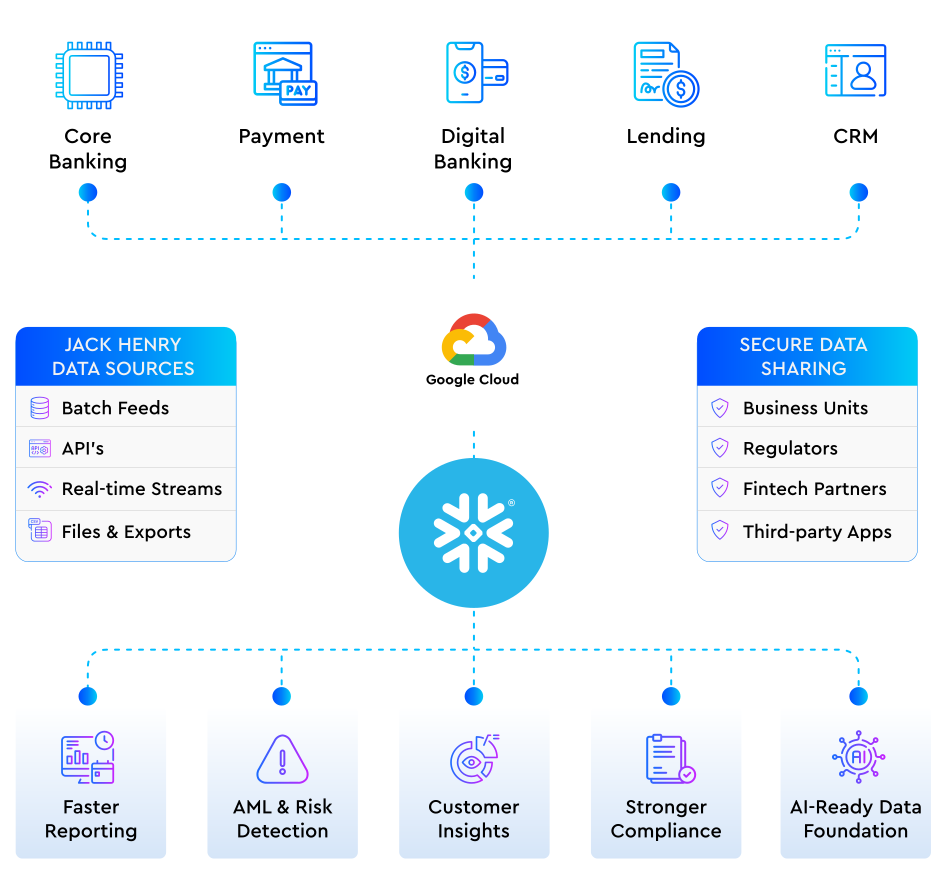
Unify and Govern Jack Henry Data in Snowflake
Snowflake provides a scalable, cloud-native foundation for centralizing Jack Henry data across core banking and digital systems like Banno Data Hub.
iDENTIFY enhances this by validating, standardizing, and governing data at ingestion, ensuring downstream systems receive consistent, trusted inputs.
Instead of relying on fragmented pipelines, banks create a single, governed data foundation for reporting, AML, and analytics.
Already exploring Jack Henry Data Hub?
Jack Henry Data Hub is a meaningful step toward accessing your core data in the cloud. It pipes data from your Jack Henry systems into Google BigQuery, giving you a starting point for analytics and reporting. Banks evaluating it are asking the right questions.
Where banks are seeing constraints:
- Limited transformation and governance out of the box
- Requires custom pipeline work to make data usable
- Data lands in Google BigQuery — a separate environment from Snowflake
- Raw data without validation or standardized models
How iDENTIFY approaches it differently:
- Your own governed Snowflake environment — your bank owns it
- Validation, standardization, and unified data models built in
- Works from Data Hub / BigQuery or directly from your Jack Henry core
- Infrastructure owned and auditable by your team

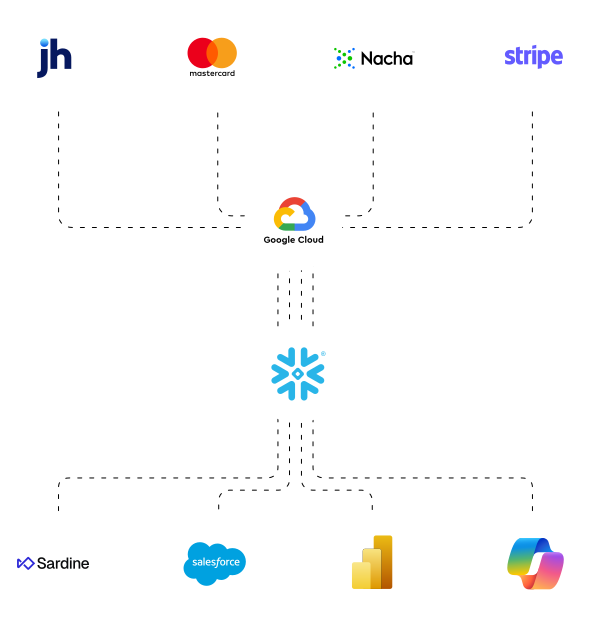
How Jack Henry → Snowflake architecture works
Jack Henry Data Extraction
Core banking systems, Banno Data Hub, and digital channels provide structured and event-based data.
Data Ingestion Pipeline
Data is securely ingested into Snowflake using batch, CDC, or streaming pipelines.
Validation at Ingestion
Data quality checks, schema validation, and business rules are applied immediately.
Standardization Layer
Data is normalized across core, digital, and fintech systems into consistent definitions.
Unified Data Models
Clean datasets are structured for reporting, AML, and analytics.
Consumption Layer
Trusted data powers regulatory reporting, AML systems, dashboards, and analytics.
What this Architecture Enables
Snowflake’s architecture enables secure, real-time data sharing without duplication, improving access and collaboration across teams.
- Centralized core and digital banking data (including Banno)
- Validation at ingestion before data spreads downstream
- Standardized data across fintech and partner systems
- Built-in data lineage and auditability
- Real-time visibility into data quality and issues
- Consistent reporting across all systems
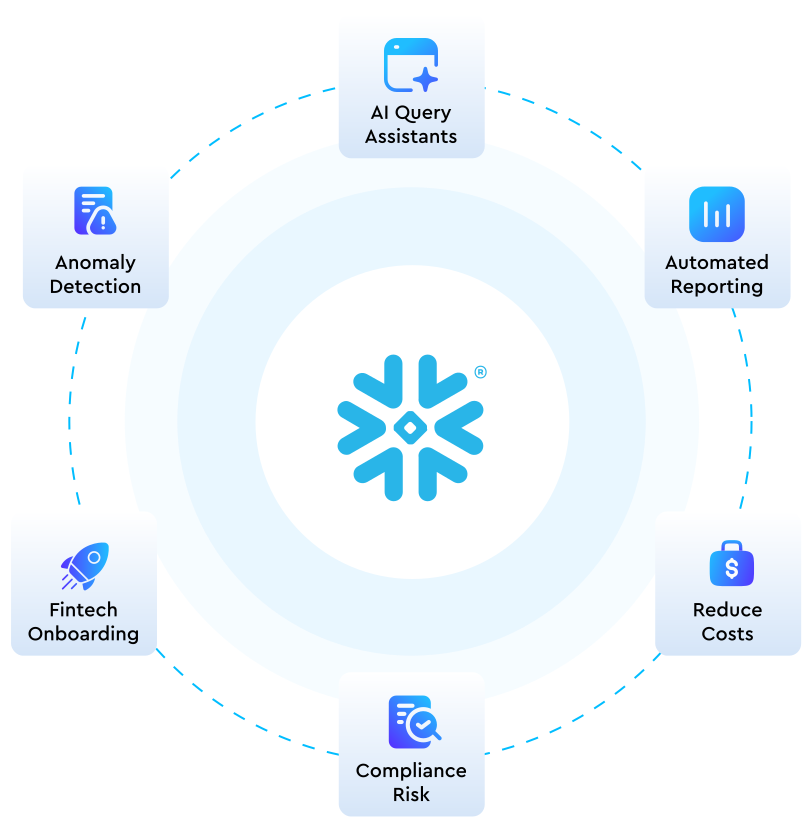
Where Jack Henry → Snowflake delivers value
Risk mitigation
Data Compliance
Core Modernization
Fintech Onboarding
Customer 360
AI Readiness
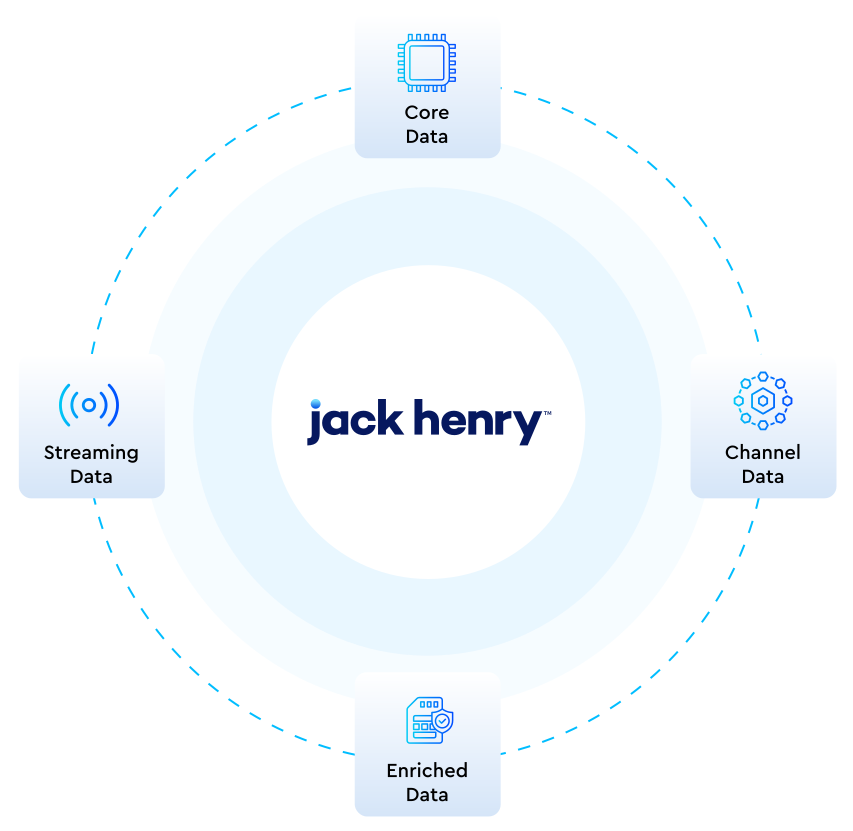
What iDENTIFY does with your Jack Henry data


Outcomes for Banks and Credit Unions
Centralizing data enables faster decision-making and better insights across the organization.
- Improved reporting accuracy and consistency
- Reduced manual processes and operational overhead
- Faster audit and regulatory exam response
- Better visibility into data quality and lineage
- Scalable fintech and digital banking integration

Frequently Asked Questions

Banks extract data from Jack Henry core systems and Banno Data Hub, ingest it into Snowflake, validate and standardize it, and use it for reporting, AML, and analytics.
Banno Data Hub is Jack Henry’s data platform that provides access to digital banking and customer interaction data, which can be integrated into Snowflake for unified analytics.
Snowflake centralizes fragmented data from core and digital systems, improves reporting consistency, and enables scalable analytics and data sharing.
Yes. Snowflake works alongside Jack Henry, enabling modernization without replacing the core system.
It eliminates delayed reporting, inconsistent data, manual reconciliation, and lack of audit-ready visibility.
Yes. Symitar is Jack Henry’s core platform for credit unions, and Symitar EASE is its private cloud-hosted version. iDENTIFY supports data extraction and Snowflake migration from both, using the same governed pipeline approach as our community bank deployments.
Jack Henry’s internal infrastructure runs on Google Cloud, and their Data Hub product pipes data into Google BigQuery. iDENTIFY works from there — moving your data from BigQuery or directly from your Jack Henry core into your bank’s own governed Snowflake environment, with validation, standardization, and unified data models on top. Either way, the destination is Snowflake — an environment your team owns.