AI Readiness
Trusted by banks modernizing AI with confidence


















AI adoption breaks down without data discipline
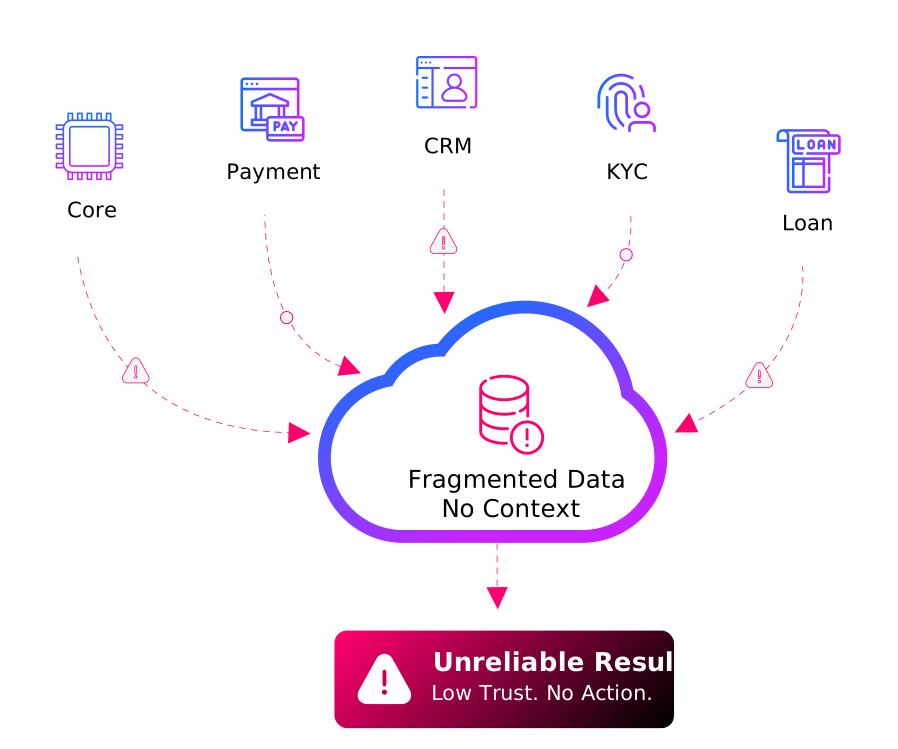
Without clean, unified data, AI becomes unreliable instead of transformative. Banks exploring AI quickly run into the same problems:
Siloed systems limit insight
Poor data quality undermines results
Lack of context weakens AI outputs


Why AI Initiatives Stall
You don’t struggle with AI because of ambition. You struggle when:
- Your systems don’t share context
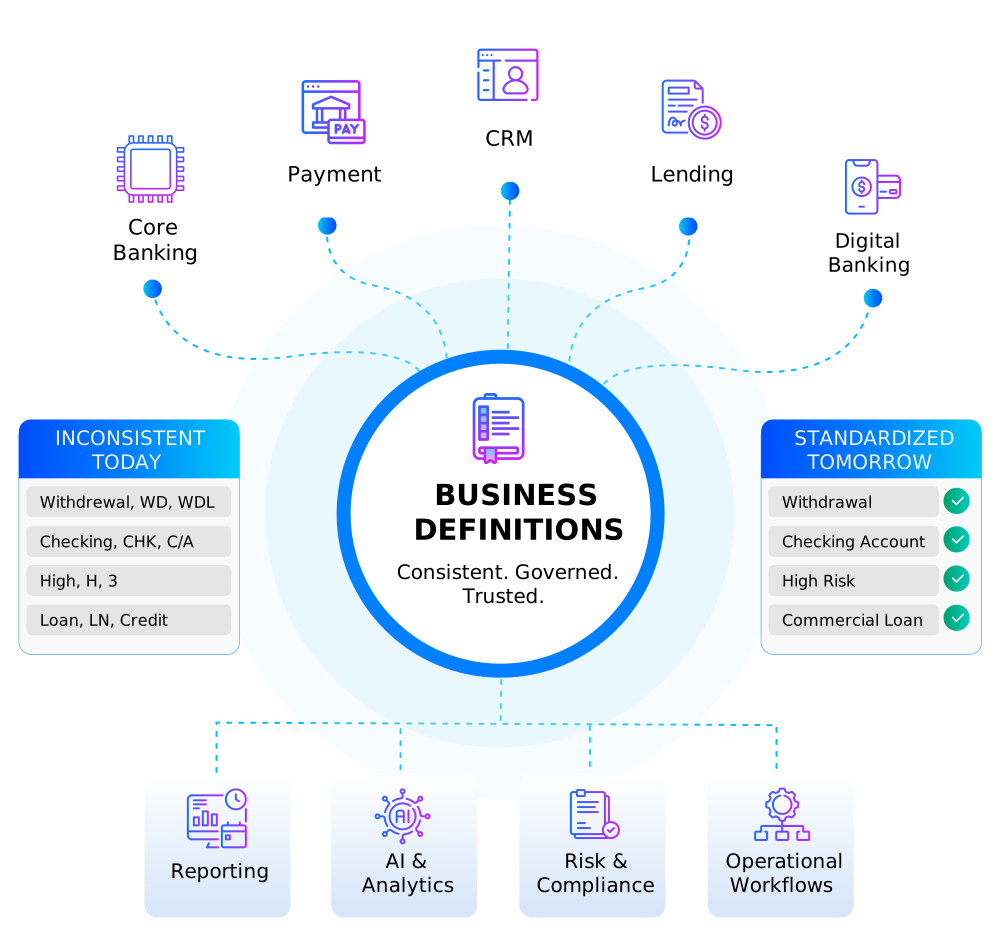
- Your definitions don’t match across departments
- Your models receive inconsistent inputs
- Your teams don’t trust the outputs
AI needs structured context to generate meaningful insight. Without it, results feel unreliable and leaders hesitate to act.
What AI Readiness Actually Means
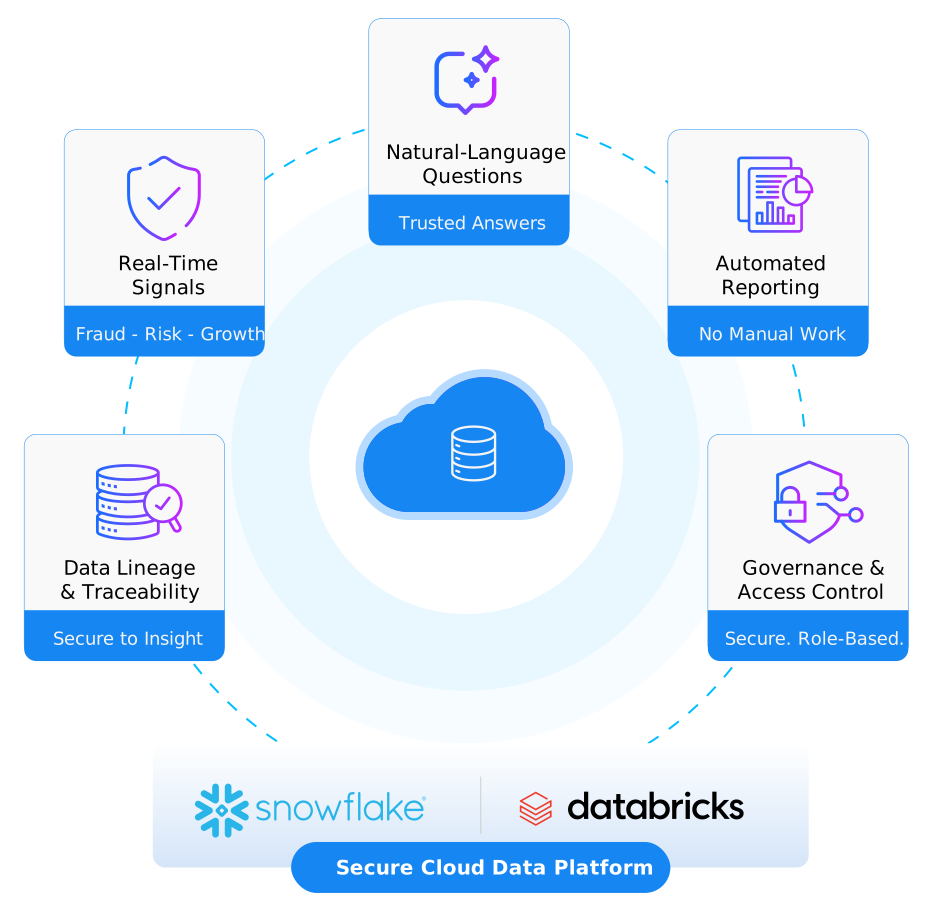
AI readiness means you can:
- Ask natural-language business questions and trust the answer
- Surface fraud, risk, and growth signals in real time
- Automate reporting without manual reconciliation
- Trace every insight back to source data
- Maintain governance and role-based access
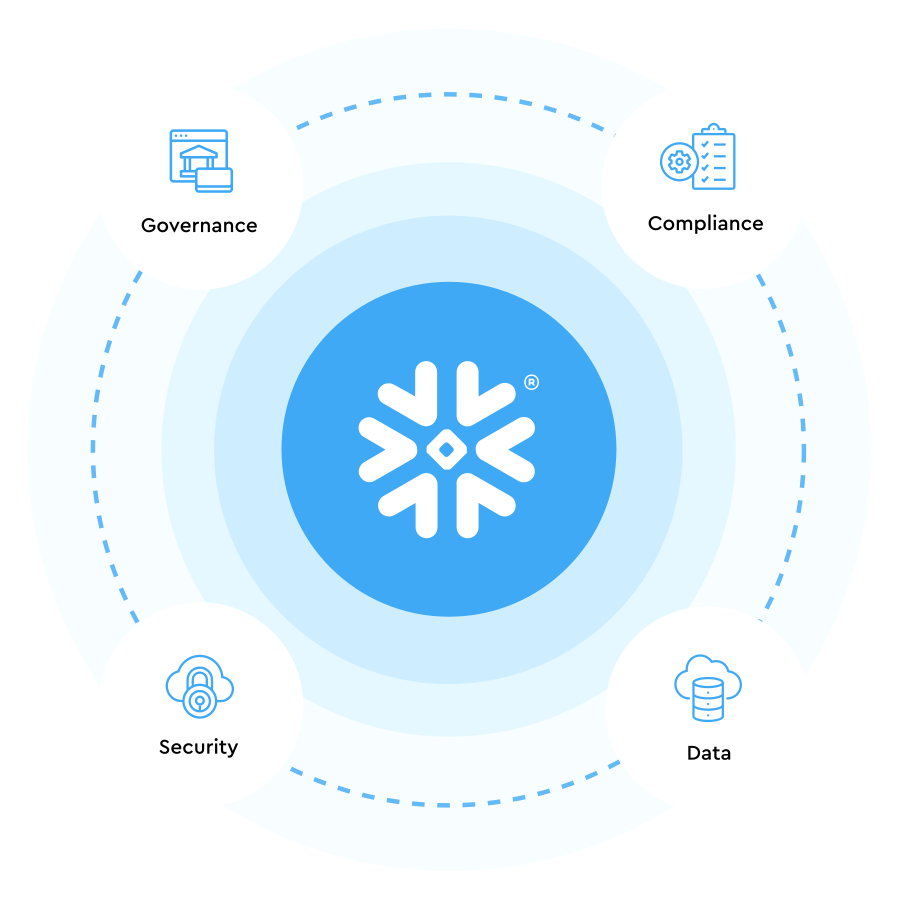
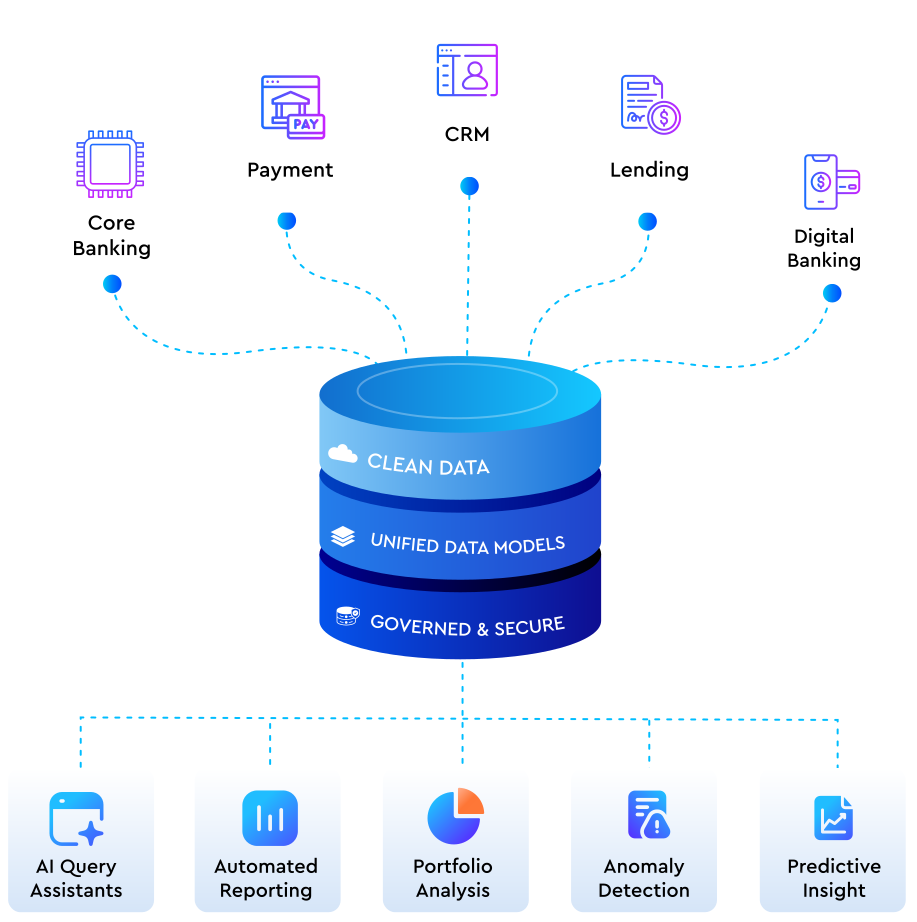
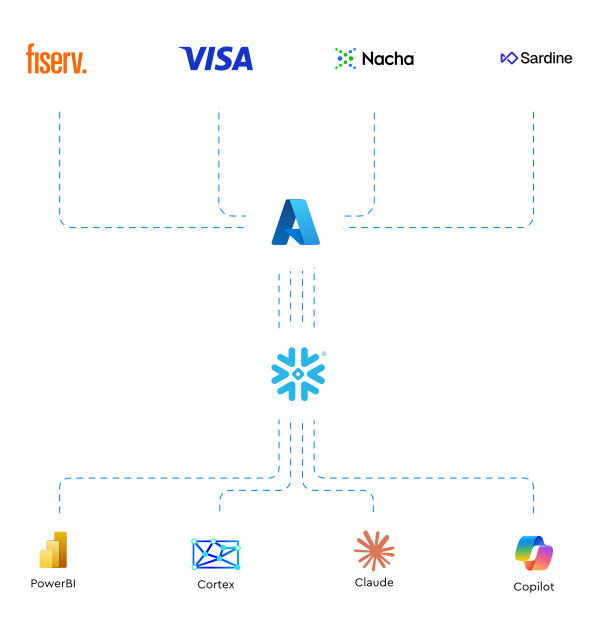
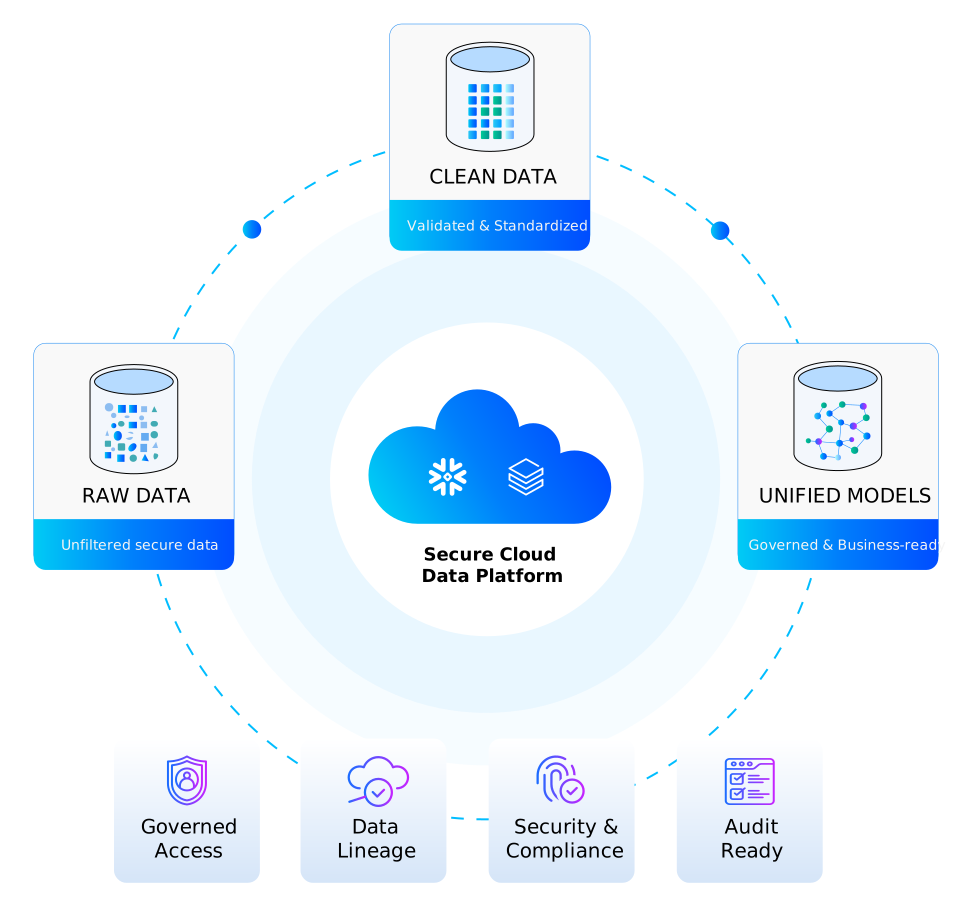
When your data is unified and governed inside a secure cloud data platform like Snowflake or Databricks, AI operates within your controls - not outside them.
The AI use cases banks actually adopt first
Ad hoc business insight
Ask questions like:
- How are deposits trending by branch or officer?
- Which products are growing fastest?
- Where are balances fluctuating unusually?
Without building a new dashboard every time.
Customer grouping & householding
Use AI to:
Creating smarter segmentation and insight.
- Cluster customers by behavior
- Identify household and business relationships
- Understand product usage patterns
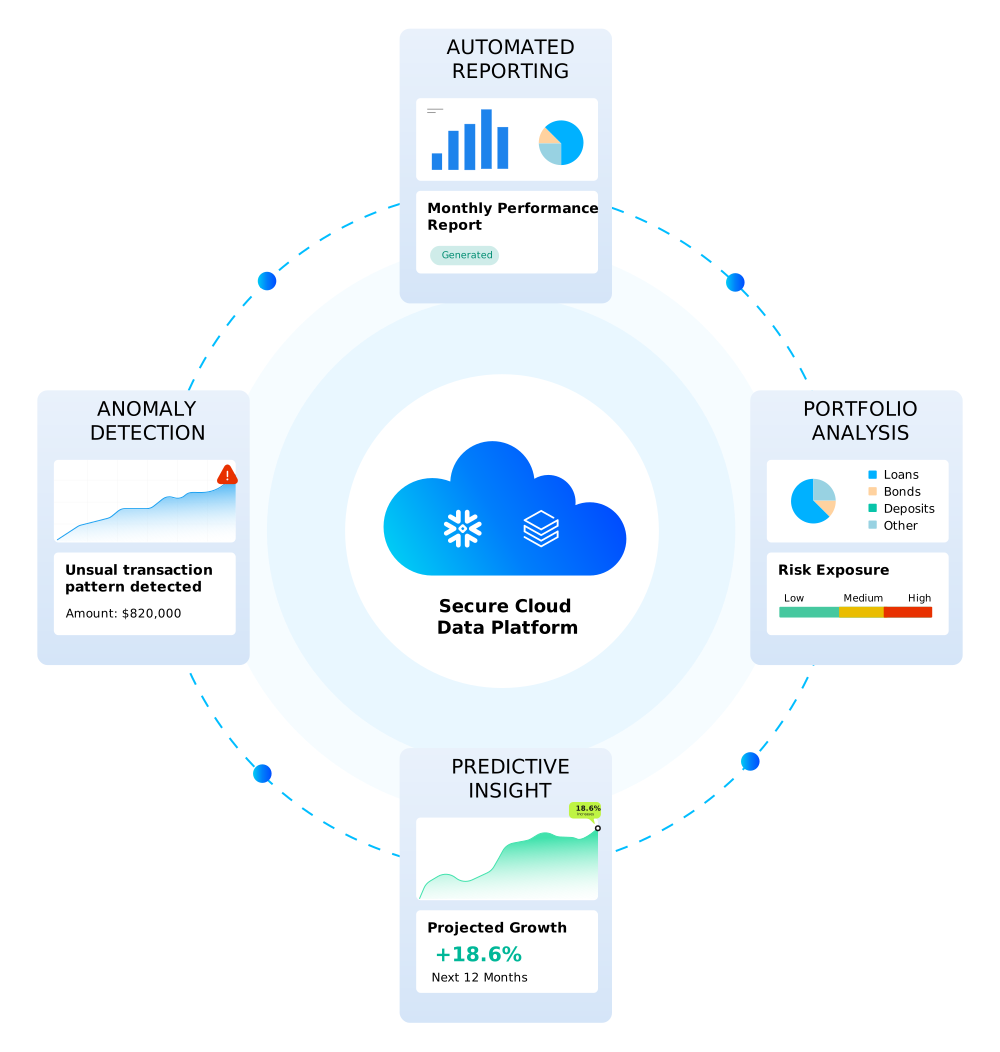
Automated board & executive reporting
AI supports:
- Portfolio performance summaries
- Growth trends
- Concentration exposure
- Risk snapshots
Replacing days of spreadsheet work with instant insight.
Deposit risk visibility
Monitor:
- Concentration by customer or industry
- Large balance fluctuations
- Overdraft patterns
- Liquidity exposure
In real time not monthly.
Loan portfolio risk
Surface:
- Past due trends
- Concentration by sector or borrower type
- Performance by branch or officer
- Early warning indicators
Without manual reporting cycles.
General anomaly detection
Identify:
- Unusual account behavior
- Unexpected transaction spikes
- Balance swings
- Outlier trends
Across the entire institution.
AI depends on data you can trust
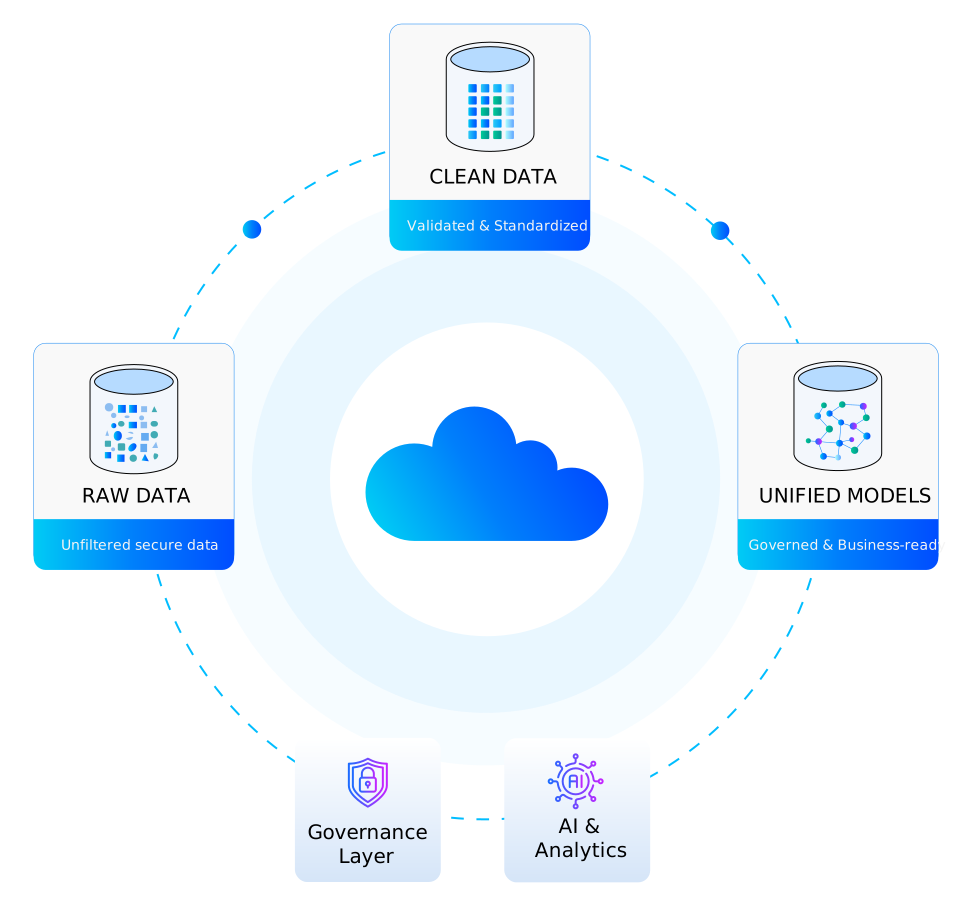
Without clean, unified data, AI outputs are inconsistent and unreliable. Build a governed foundation before deploying models.
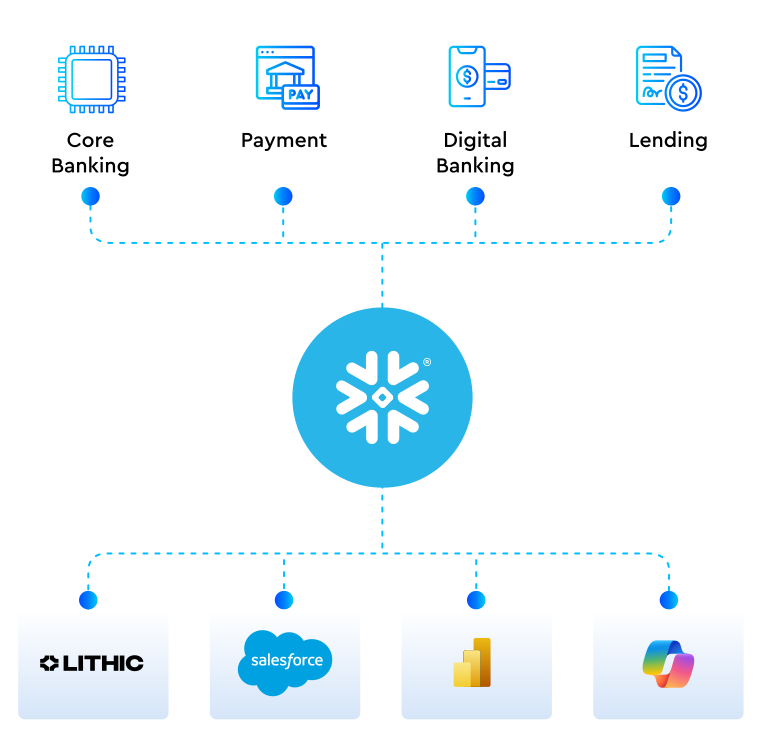
How iDENTIFY builds AI-ready data foundations
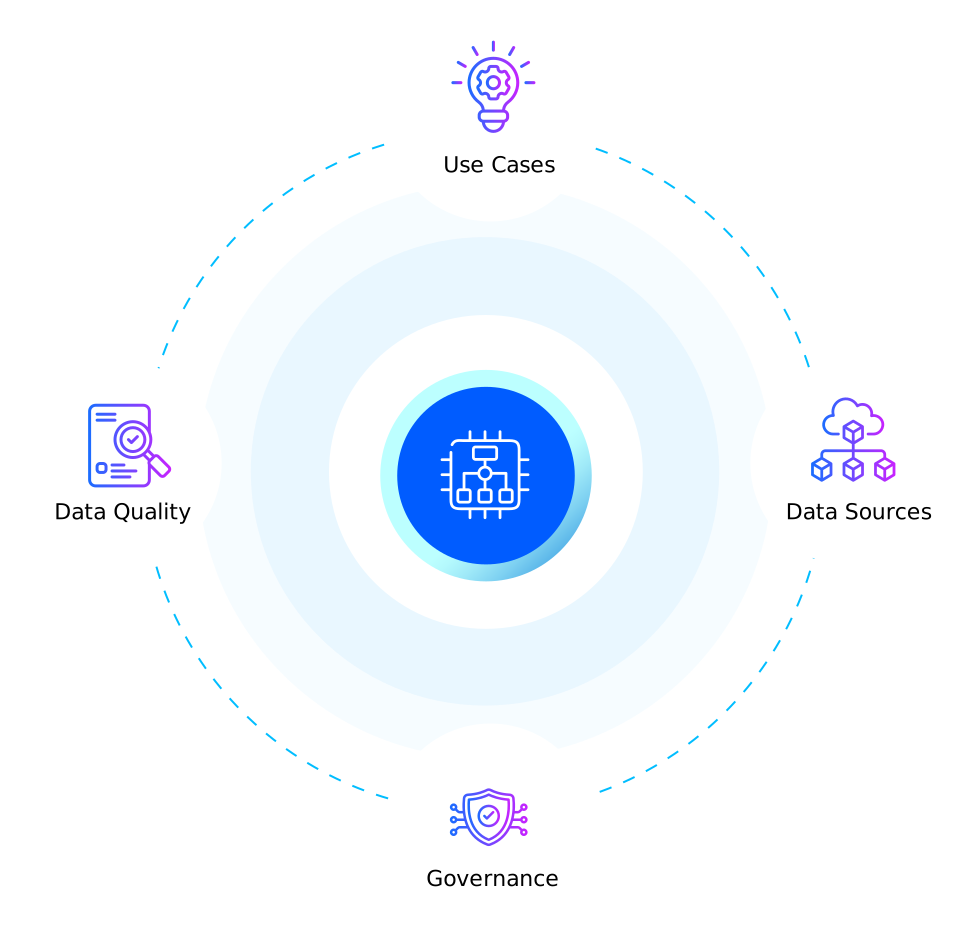
AI readiness for banks vs. credit unions

Why a Secure Cloud Data Platform like Snowflake or Databricks